

Industries Municipal Water Series
Municipal Water Meters
A municipal water utility runs distribution lines, treatment plants, and pumping stations that each place different demands on a flow meter, and a reading that drifts on any one of them turns into a billing dispute, a compliance gap, or an unplanned service call. Some meters were never accurate enough to begin with, and in billing or custody transfer the gap between 2% and 0.2% adds up fast. Municipal water meters need the right accuracy from the start and the ability to hold it through decades of continuous operation. McCrometer builds municipal water meters for water and wastewater utilities, industrial process plants, and agencies that need flow data they can stand behind.
What Municipal Water Utilities Need From a Flow Meter
A municipal water flow meter has to perform across high-volume distribution mains, treatment process lines, and remote pumping stations that may go months between site visits. Across all of them, utilities look for the same core qualities:
- Accuracy
- Repeatability
- Low maintenance equipment
- Durability and reliability during operation
- Data recording, output, and transmission
Matching Meter Technology to the Application
Electromagnetic meters have no moving parts, which suits high-duty-cycle distribution and treatment lines where a worn rotor would mean a maintenance call. Propeller meters remain a proven, lower-cost option for applications with cleaner water and moderate flow ranges. Differential pressure meters fit specialty applications where a constriction-based reading is already part of the process design.
Choosing Between Distribution, Treatment, and Wastewater Applications
Selecting a municipal water meter flow sensor comes down to a short set of factors:
Application type: Distribution mains, treatment process lines, and wastewater applications each favor a different meter design and material
- Distribution: trunk mains, district metered areas (DMAs), reservoir inlet and outlet lines, water tower supply lines, and pump stations
- Treatment: raw water intake and treatment plant influent and effluent
- Wastewater: lift stations and collection lines
Flow range: The meter has to hold accuracy across the minimum and maximum flow the line actually runs, not just its rated midpoint
Installation space: Straight-run needs depend on the meter type and what sits upstream of it. Propeller meters typically need longer straight pipe runs to deliver an accurate reading, though a flow straightener can shorten that distance. Electromagnetic meters need far less: 4″ flanged Ultra Mag 5000 requires just 1 pipe diameter (1D) of straight run upstream and none (0D) downstream. Elbows, valves, pumps, and other flow disturbers near the meter add to the requirement for any design, so check the layout before choosing.
Signal output: Integration with an existing SCADA system or telemetry platform changes which meter and accessories are needed
What to Look for in a Municipal Water Meter Flow Sensor
A municipal water meter worth installing should deliver on a short list of requirements:
- Long-term accuracy and repeatability that holds without frequent recalibration
- Low maintenance across continuous, multi-decade service life
- Installation options that fit both new construction and retrofit projects
- Compatibility with SCADA, telemetry, or existing utility data systems
The FPI Mag installs via hot-tap without flanges, pipe cutting, or welding, which keeps a retrofit project from requiring a full line shutdown, an advantage on distribution and treatment infrastructure where taking a main offline carries its own operational cost.
Talk to a Municipal Water Meter Specialist
Matching a municipal water meter to a specific distribution, treatment, or pumping application is worth a conversation before ordering. Contact our experts to review flow range, installation space, and signal output for your site, or browse our full municipal product line to compare models by application.
Video
If you’re managing effluent or influent water systems, accurate and repeatable flow measurement is crucial for optimizing data collection and enhancing flow control. Whether you’re dealing with water storage, transmission lines, or treatment processes, flow meters and quality control are likely the biggest influences to your water system.
Electromagnetic meters, propeller meters, and differential pressure flow meters deliver exceptional value with low installation and maintenance costs… but what is known about their ease of use, rugged durability, and reliability? These advanced meters set the industry standard for various sectors, but can they be trusted in facilities worldwide? Learn how mag meters can help you achieve precise flow measurement and improve your municipal operations.
Municipal Flow Meter FAQs
How do I choose between an electromagnetic and a propeller meter for a municipal application?
Electromagnetic meters have no moving parts, which suits high-duty-cycle distribution and treatment lines where wear on a propeller would drive frequent service calls. Propeller meters remain a reliable, lower-cost option for cleaner water at moderate flow ranges. The right choice depends on water quality, duty cycle, and budget for the specific line being metered.
Can municipal water meters integrate with an existing SCADA system?
Most McCrometer municipal water meters support pulse, 4-20mA, or telemetry output that integrates with common SCADA and utility data platforms, so a new meter can report into the monitoring system a utility already uses rather than requiring a separate standalone display.
What's the difference between a meter built for distribution versus treatment applications?
Distribution meters typically prioritize long-term accuracy and low maintenance across continuous flow, since they often sit in remote or hard-to-access locations. Treatment plant meters more often need to handle variable flow rates tied to process control, and may need tighter integration with plant SCADA systems for real-time process adjustments.
Can a municipal water meter be installed without shutting down the line?
Some designs allow it. The FPI Mag installs via hot-tap without flanges, pipe cutting, or welding, which reduces the operational disruption of a retrofit on an active distribution main or treatment line compared to a meter that requires cutting into the pipe.
How long does a municipal water meter typically last before it needs replacement?
Service life depends on the meter type, water quality, and duty cycle, but electromagnetic meters with no moving parts are built for multi-decade service with minimal recalibration, which is a different maintenance profile than a mechanical meter with wear parts.
Knowledge Center
Featured McCrometer Municipal Flow Meters
Electromagnetic Flow Meters
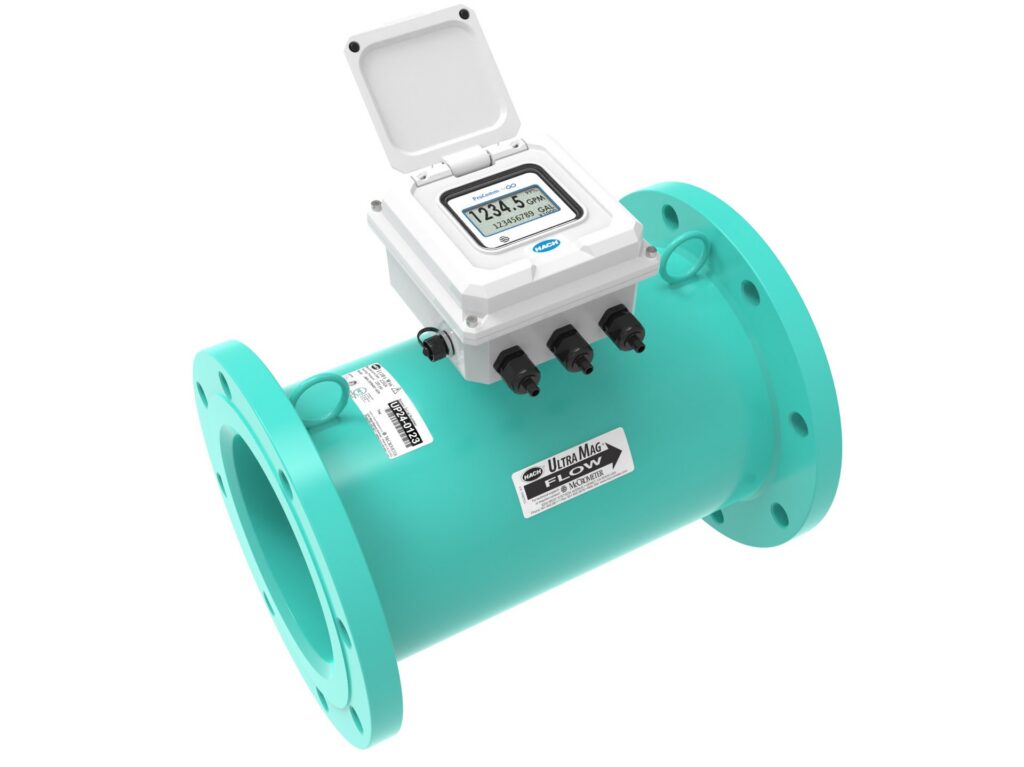
Designed without moving parts, electromagnetic flow meters are highly favored in the municipal market due to their reliability and minimal maintenance requirements, making them ideal for applications such as water treatment and distribution.
They excel in remote installations where battery life and accuracy are crucial, ensuring seamless operation and optimal performance across various municipal processes; their compact design fits tight spaces, and their operation is unaffected by debris, making them robust and dependable.
Propeller Meters
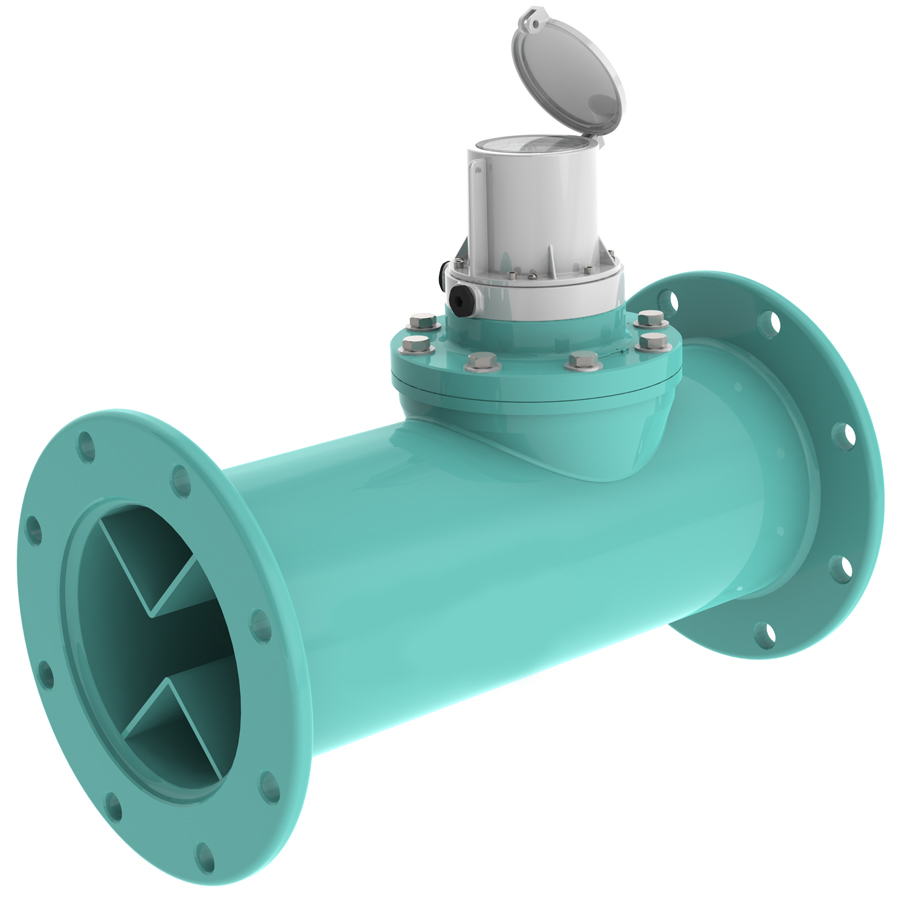
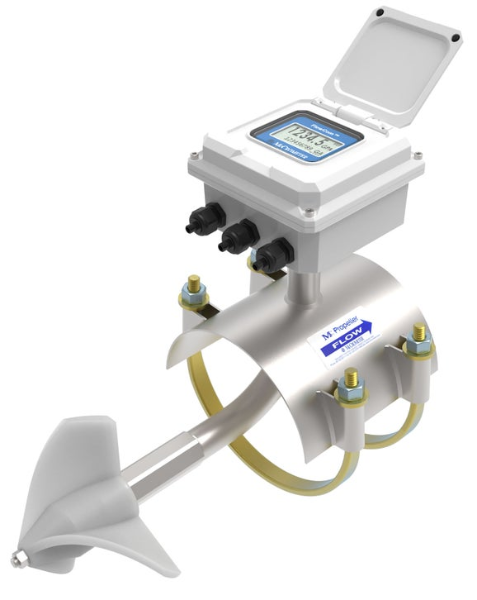
McCrometer’s propeller flow meters deliver outstanding value with minimal installation and maintenance costs. Known for their user-friendly design, robust construction, and dependable performance, these meters set the industry standard for accuracy and durability.
Advanced Differential Flow Meters for Municipal
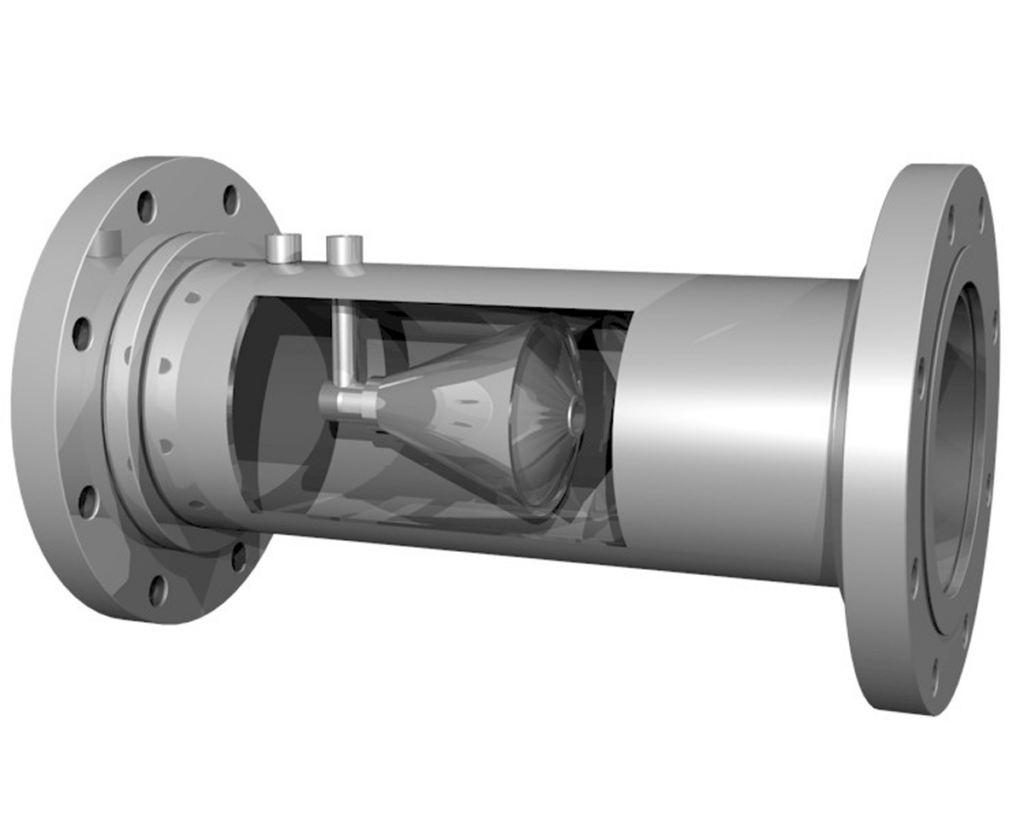
McCrometer differential pressure flow meters deliver exceptional value through low installation and ownership costs while setting the benchmark for ease of use, durability, and reliability. Engineered for rugged environments, these advanced meters provide precise and versatile flow measurement. Widely adopted in facilities around the world, they ensure accurate data and dependable performance in diverse industrial and municipal applications.
Meter Electronics and Telemetry Solutions for Municipal Applications
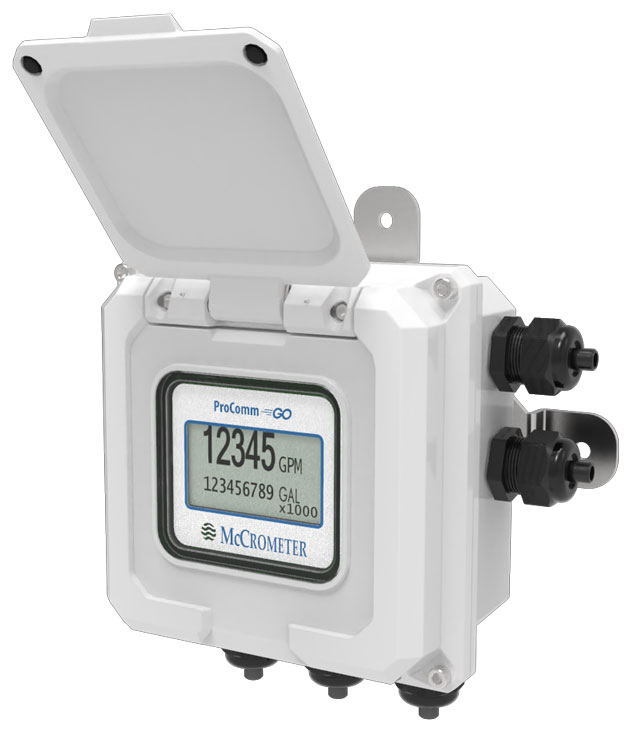
McCrometer’s connected telemetry solutions and electronics provide seamless,reliable remote meter reading for accurate,timely data collection, simplifying volumetric management while providing comprehensive flow measurement and data transmission. Battery-powered for remote locations, these accurate and user-configurable devices ensure minimal maintenance, with options for compatibilty and versatile input/output connections.
Open Channel Flow Solutions for Municipal Applications
Acquired by McCrometer, the Hach Flow product line delivers open channel solutions to municipalities with integrated systems that ensure accurate flow measurement. Known for quality and operational reliability, Hach water management products are designed for open channel applications; visit our FAQs page to learn more about Hach Flow capabilities.
All Products for Municipal Applications
Here you will find industry-leading flow meters and monitoring solutions for industrial applications.
Best Selling Propeller Meter in the U.S.
The Classic Meter for Clean Water Flows
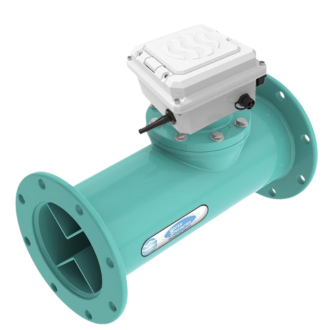
The Ultra Mag features an NSF-approved fusion-bonded epoxy UltraLiner™ and a lifetime liner guarantee, eliminating the risk of delamination and liner separation, and is ideal for applications near pumps, water wells, and other municipal locations.
Offering +/- 0.2% accuracy, this now enables our customers to have the great features and benefits of the Ultra Mag 5000 and ProComm Max transmitter within higher accuracy applications.
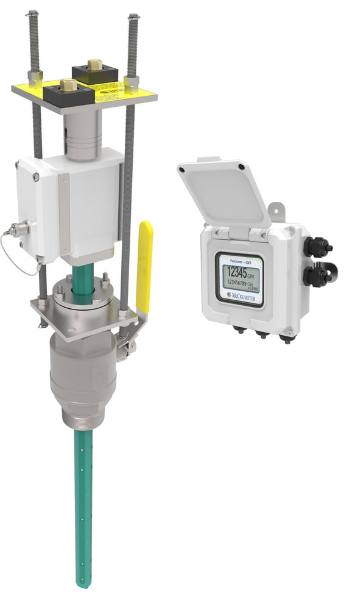
The unique combination of reliability, ease of installation and total cost savings make this flow meter the perfect choice for municipal water and wastewater effluent applications and flow media.
Designed for more critical infrastructure where continuous monitoring and integration with SCADA systems are essential. Its dual 4-20mA outputs, RS485 communication port, and intuitive interface make it a fully capable device for demanding municipal applications.
The SPI Mag 3000 Meter provides a highly cost-effective solution for the accurate measurement of liquid flow in closed conduit, pressurized pipe applications with the ProComm GO as a major highlight.
Paired with the ProComm for enhanced data communication and integration, the SPI Mag 5000 uses velocity and pipe diameter information to measure flow accurately across a wide range.
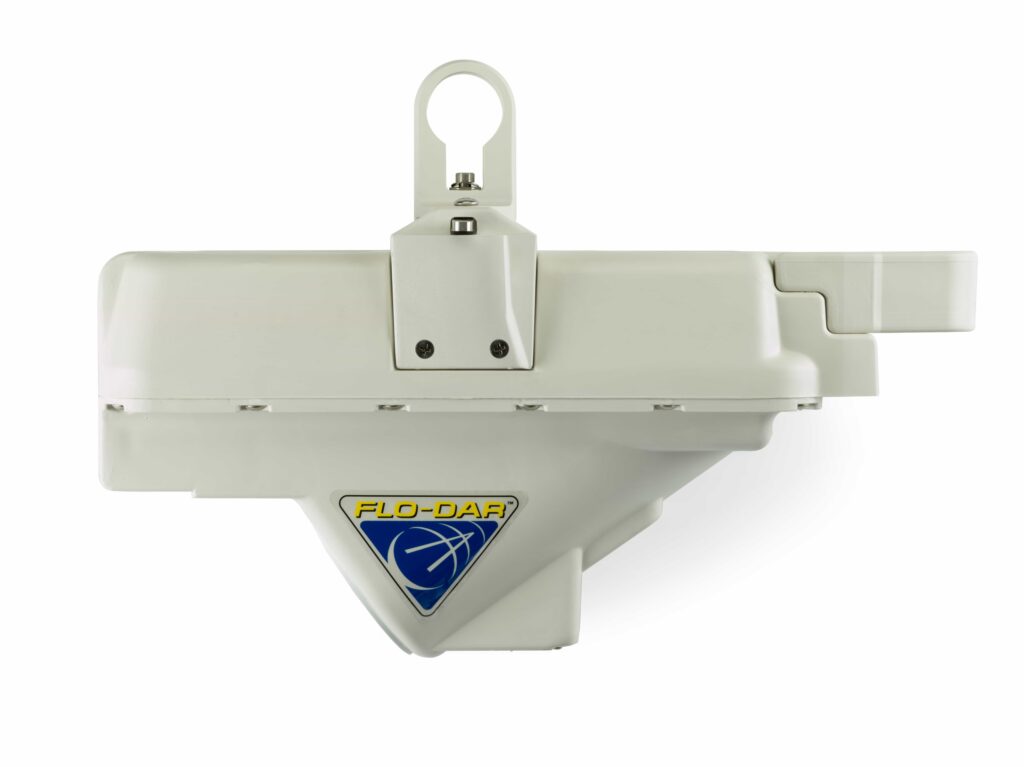
The FLO-DAR® AV Sensor provides an ideal solution for non-contact, maintenance-free portable or permanent sewer flow monitoring.
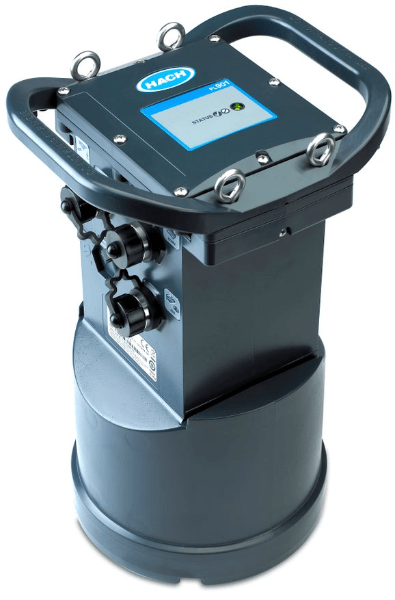
The FL900 Series Flow Logger revolutionizes remote, open channel flow monitoring by providing rugged and reliable innovative solutions for any sewer flow measurement challenge.
Hach's handheld, battery-powered FH950 Velocity & Depth Flow Meter was designed to provide accurate velocity and depth measurements while simplifying the entire measurement process in rugged field environments.
This multi-channel controller can handle up to four independent flow sensors. The FL1500 can also be paired with peripheral equipment such as a rain gauge, pH sensor, auto sampler, and mechanical totalizer.

Made it easy to see it working