

Industries Municipal Water Series
Flow Meters for Municipal Applications
Municipal water facilities require highly durable and precise flow measurement instruments for efficient operation. McCrometer flow meters excel in providing accurate and cost-effective solutions for applications such as water treatment plants, distribution systems, and pumping stations.
Our meters offer exceptional value in installation and ownership, addressing the unique challenges of confined spaces and varied flow conditions. By listening to customer needs and innovating unique solutions, we ensure reliable performance in managing the essential water resources of our communities.
Featured McCrometer Municipal Flow Meters
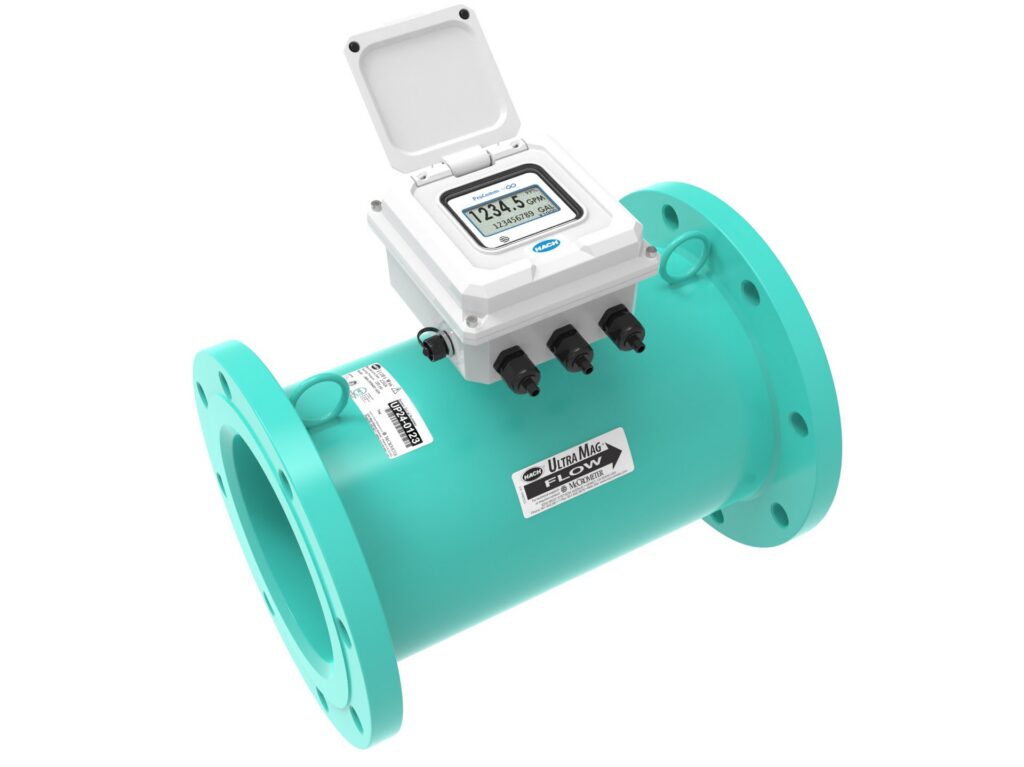
Electromagnetic Flow Meters
Designed without moving parts, electromagnetic flow meters are highly favored in the municipal market due to their reliability and minimal maintenance requirements, making them ideal for applications such as water treatment and distribution.
They excel in remote installations where battery life and accuracy are crucial, ensuring seamless operation and optimal performance across various municipal processes; their compact design fits tight spaces, and their operation is unaffected by debris, making them robust and dependable.
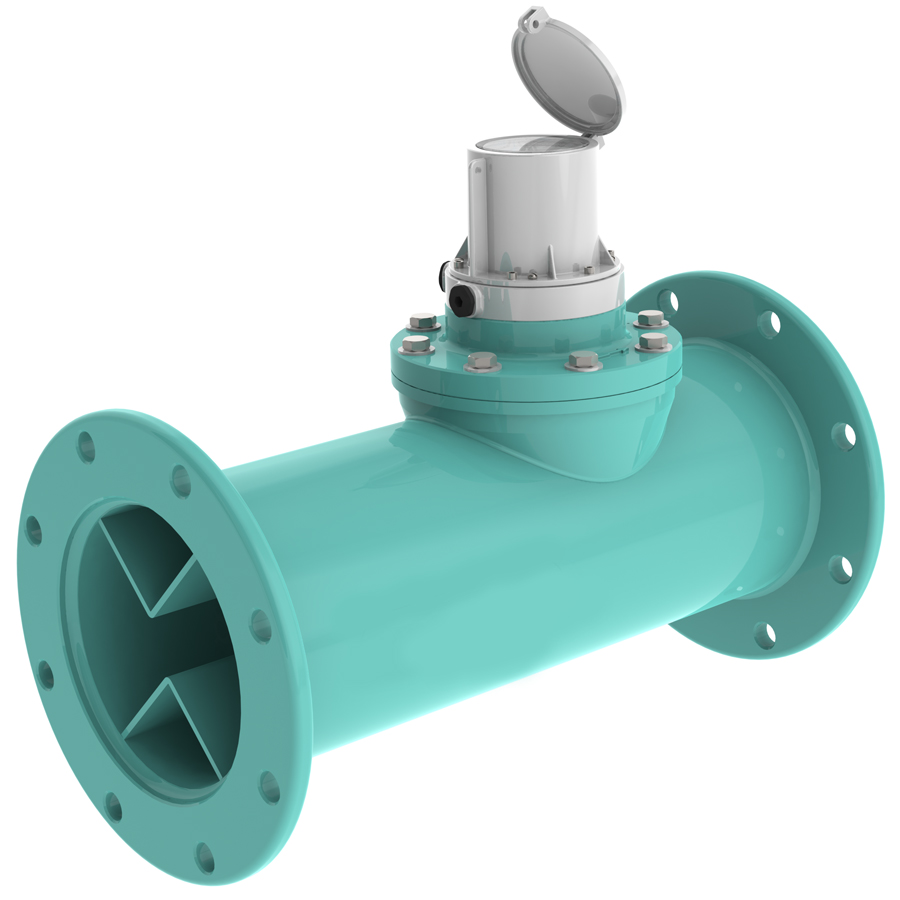
Propeller Meters
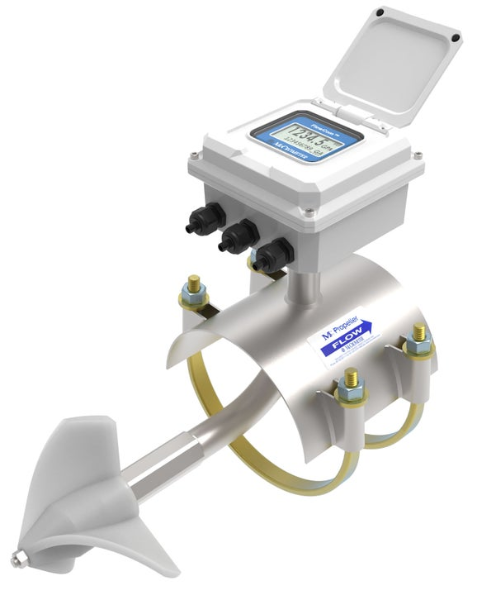
McCrometer’s propeller flow meters deliver outstanding value with minimal installation and maintenance costs. Known for their user-friendly design, robust construction, and dependable performance, these meters set the industry standard for accuracy and durability.
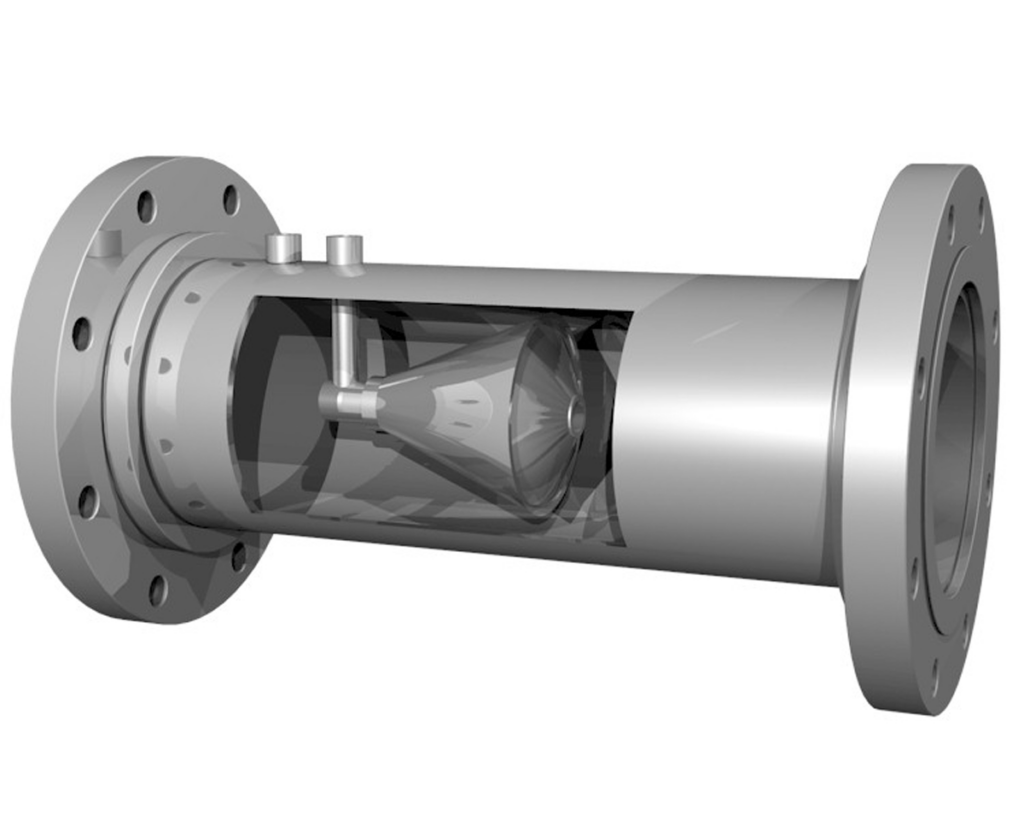
Advanced Differential Flow Meters for Municipal
McCrometer differential pressure flow meters deliver exceptional value through low installation and ownership costs while setting the benchmark for ease of use, durability, and reliability. Engineered for rugged environments, these advanced meters provide precise and versatile flow measurement. Widely adopted in facilities around the world, they ensure accurate data and dependable performance in diverse industrial and municipal applications.
Meter Electronics and Telemetry Solutions for Municipal Applications
McCrometer’s connected telemetry solutions and electronics provide seamless,reliable remote meter reading for accurate,timely data collection, simplifying volumetric management while providing comprehensive flow measurement and data transmission. Battery-powered for remote locations, these accurate and user-configurable devices ensure minimal maintenance, with options for compatibilty and versatile input/output connections.
Open Channel Flow Solutions for Municipal Applications
Acquired by McCrometer, the Hach Flow product line delivers open channel solutions to municipalities with integrated systems that ensure accurate flow measurement. Known for quality and operational reliability, Hach water management products are designed for open channel applications; visit our FAQs page to learn more about Hach Flow capabilities.
Video
If you’re managing effluent or influent water systems, accurate and repeatable flow measurement is crucial for optimizing data collection and enhancing flow control. Whether you’re dealing with water storage, transmission lines, or treatment processes, flow meters and quality control are likely the biggest influences to your water system.
Electromagnetic meters, propeller meters, and differential pressure flow meters deliver exceptional value with low installation and maintenance costs… but what is known about their ease of use, rugged durability, and reliability? These advanced meters set the industry standard for various sectors, but can they be trusted in facilities worldwide? Learn how mag meters can help you achieve precise flow measurement and improve your municipal operations.
Selecting The Right Flow Meter for Municipal Applications
Each year, thousands of instrument engineers, from municipal drinking water facilities to industrial process plants with wastewater treatment operations, find themselves stuck in understanding how flow measuring devices provide unmatched accuracy in even the most challenging applications.
Not every flow meter that you come across can do the job of another; each unique flow meter on the market has a unique use case, so being mindful of your application comes into play when making a decision on what type of meter solution you’re interested in. For example, some organizations may look to retrofit a large portion of their water line but don’t want to dewater pipelines, so a full-profile insertion meter might be best suited for this challenge. However, if installation isn’t an issue but low total cost of ownership and data accuracy are more important, than a inline magnetic flow meter might be of better use.
When deciding what type of municipal flow meter you’re interested in, you’ll want to consider a few factors that will impact your decision making process and the outcome of your project:
Application of Municipal Flow Meters: When deciding on the type of municipal flow meter for your project, consider the specific application and the type of media being measured. For example, electromagnetic flow meters are ideal for water and wastewater applications due to their accuracy and reliability with conductive fluids. Other things to consider include flow range, installation space, maintenance needs, budget, and compatibility of the flow meter with your media, ensuring it can handle the required pressure and temperature ranges required. Lastly, confirm your installation requirements; some McCrometer products can be installed without flanges, cutting line, shutting down or welding pipes, depending on your line specs.
Signal Outputs Needed: Industrial flow meters typically offer various signal output options to align with existing control and monitoring systems. Common outputs include 4-20 mA, pulse, Modbus, HART, and Profibus, providing necessary data for process control and optimization.
Signal Outputs Needed: Municipal flow meters typically offer various signal output options to align with existing control and monitoring systems. Common outputs include 4-20 mA, pulse, Modbus, HART, and Profibus, providing necessary data for process control and optimization. To measure the success of your project, monitor the flow meter’s performance over time; key performance indicators include accuracy, reliability, and maintenance frequency. Successful implementation is marked by consistent, precise data that helps optimize your processes, reduce costs, and improve efficiency. Conversely, frequent calibration issues, maintenance needs, or data inconsistencies could indicate that the selected flow meter might not be the best fit for the application.
Media Compatibility: Media compatibility is vital for flow meters as it ensures accurate and reliable measurements, extends the meter’s lifespan, and minimizes maintenance needs. Municipal flow meters must handle potable water, chemicals used in treatment processes, raw wastewater, effluent water, sludge, and other fluids in municipal applications. Proper compatibility helps meet regulatory standards, optimizes operational efficiency, and reduces costs by preventing damage and ensuring smooth system performance.
Based on the knowledge developed through careful research and testing, our application engineers and designers apply their expertise in flow physics and real-world operating dynamics, resulting in some of the most accurate, innovative, and trusted flow meters on the market.
Municipal Flow Meter FAQs
How do electromagnetic flow meters work?
Mag meters operate under the principle of Faraday’s Law of Electromagnetic Induction to measure liquid velocity. The principle of operation states that a conductor moving through a magnetic field produces an electric signal within the conductor, which is directly proportional to the velocity of the water moving through the field. As fluid flows through the magnetic field, conductive particles in the fluid create changes in voltage across the magnetic field. This variation is used to measure and calculate the velocity of water flow through the pipe.
How do you determine flow rate with a differential pressure flow meter?
To determine flow rate with a differential pressure flow meter, the device first measures the pressure drop across a constriction in the pipe. The flow rate is then calculated against a constant based on meter and fluid properties. Corrections for fluid density, viscosity, and temperature may be applied during this calculation. From there, the calculated flow rate is converted into a signal for integration with control systems and produces the correct output for flow rate; the flow rate is derived from the measured pressure drop, adjusted for fluid and meter characteristics.
How much maintenance is needed for these kinds of meters?
How accurate are McCrometer flow meters?
Knowledge Center
All Products for Municipal Applications
Here you will find industry-leading flow meters and monitoring solutions for industrial applications.
Best Selling Propeller Meter in the U.S.
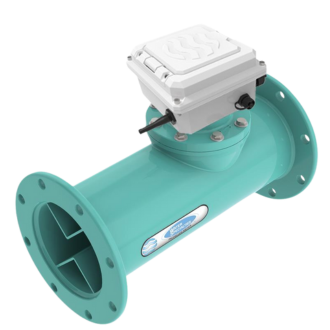
The Classic Meter for Clean Water Flows
The Ultra Mag features an NSF-approved fusion-bonded epoxy UltraLiner™ and a lifetime liner guarantee, eliminating the risk of delamination and liner separation, and is ideal for applications near pumps, water wells, and other municipal locations.
Offering +/- 0.2% accuracy, this now enables our customers to have the great features and benefits of the Ultra Mag 5000 and ProComm Max transmitter within higher accuracy applications.
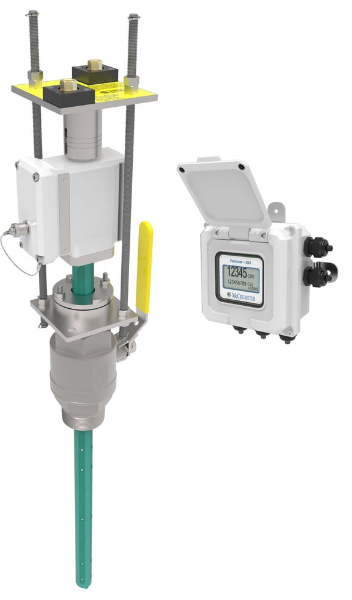
The unique combination of reliability, ease of installation and total cost savings make this flow meter the perfect choice for municipal water and wastewater effluent applications and flow media.
Designed for more critical infrastructure where continuous monitoring and integration with SCADA systems are essential. Its dual 4-20mA outputs, RS485 communication port, and intuitive interface make it a fully capable device for demanding municipal applications.
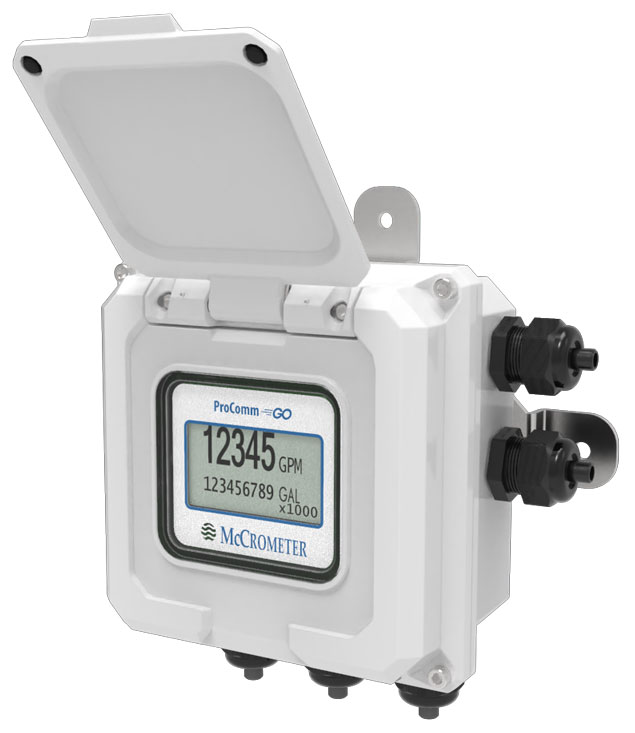
The SPI Mag 3000 Meter provides a highly cost-effective solution for the accurate measurement of liquid flow in closed conduit, pressurized pipe applications with the ProComm GO as a major highlight.
Paired with the ProComm for enhanced data communication and integration, the SPI Mag 5000 uses velocity and pipe diameter information to measure flow accurately across a wide range.
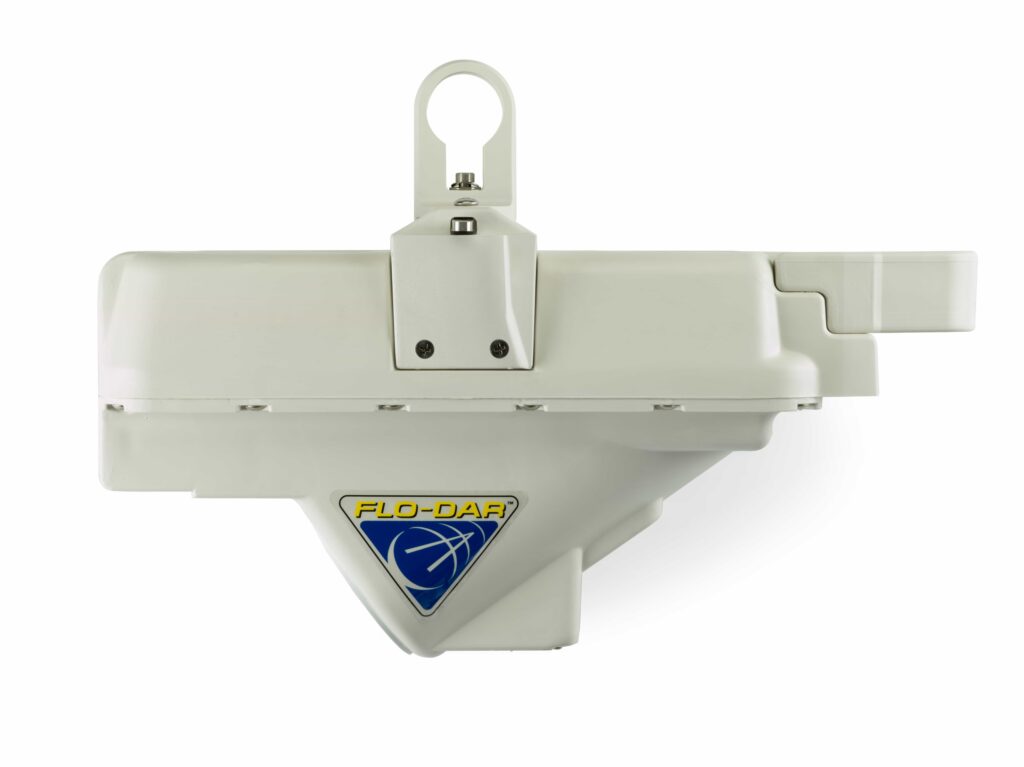
The FLO-DAR® AV Sensor provides an ideal solution for non-contact, maintenance-free portable or permanent sewer flow monitoring.
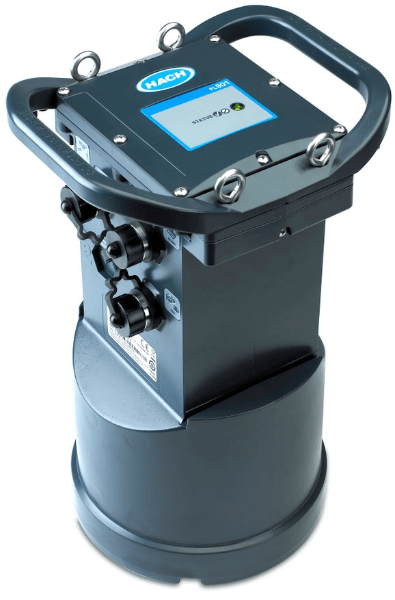
The FL900 Series Flow Logger revolutionizes remote, open channel flow monitoring by providing rugged and reliable innovative solutions for any sewer flow measurement challenge.
Hach's handheld, battery-powered FH950 Velocity & Depth Flow Meter was designed to provide accurate velocity and depth measurements while simplifying the entire measurement process in rugged field environments.
This multi-channel controller can handle up to four independent flow sensors. The FL1500 can also be paired with peripheral equipment such as a rain gauge, pH sensor, auto sampler, and mechanical totalizer.

Made it easy to see it working