
In practice, measuring flow in open channel applications like canals, storm drains, and partially filled pipes is straightforward. In reality, it’s a recurring challenge for engineers and utilities technicians, making flow data acquisition and integrity increasingly problematic.
Is your utility’s current approach delivering the results you need?
Flow measurement in open channel wastewater is significantly more challenging compared to pressurized, closed pipe potable water applications. In sanitary sewer, stormwater, or combined systems, the flow is turbulent, highly variable, and usually only partially full, making accurate depth and velocity measurement difficult to obtain. Despite these operational headaches, there are measurement devices available that anticipate these challenges and provide a solution regardless.
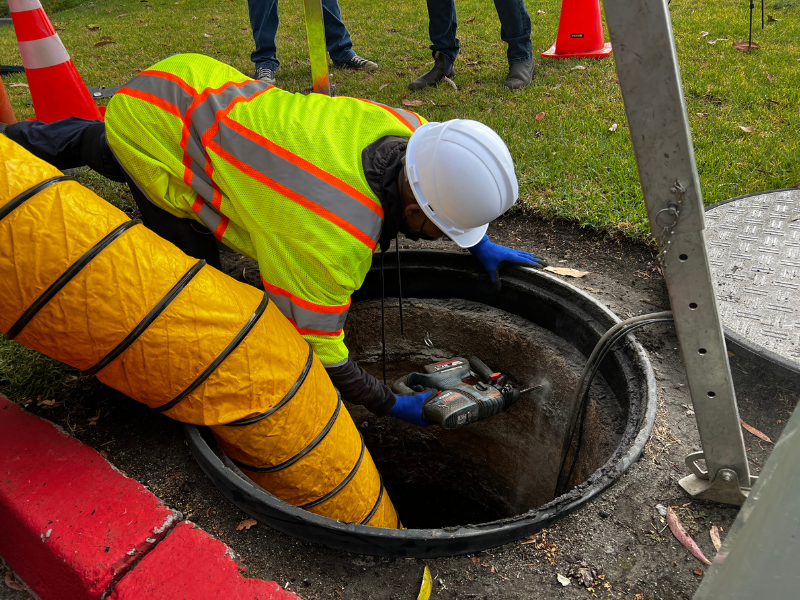
Wastewater Challenges in Acquiring Accurate Regulatory Data
Compliance Risk
Inaccurate or unreliable flow data can put utilities at risk of regulatory noncompliance, as many wastewater utilities are responsible for reporting flow data to avoid violations and fines. Underreporting or overreporting discharge volumes can significantly distort reported compliance data.
Treatment Plant Dosing
Treatment plants rely on accurate, reliable flow data to dose chemicals and manage processes. Inaccurate flow volumes will affect dosages, affecting biological processes, disinfection, and chemical costs.
This affects the overall cost of treatment per gallon, which customers may end up subsidizing on their utility bills. Utilities that bill based on flow (either individual customers or industrial customers) may lose out on revenue, or over measure flow and overcharge leading to customer disputes.
Infrastructure Planning
Utilities use flow data to plan for expansion and capital improvement projects, sometimes requiring quantitative data to receive federal or state funding. Bad flow data can lead to undersized systems causing overflows and emergency upgrades. Long-term planning becomes unreliable when historical flow trends are wrong.
Inflow and Infiltration
For utilities facing inflow and infiltration (I&I) problems, pinpointing problem areas requires accurate flow data. Inaccurate data can obscure problem areas or falsely indicate issues where none exist, resulting in misallocated maintenance efforts and budget and increasing I&I on already affected wastewater conveyance systems.
Utilities rely on flow trend data to prioritize maintenance, so bad data leads to fixing the wrong assets while ignoring the high-risk areas that may lead to sanitary sewer overflows (SSOs) and combined sewer overflows (CSOs).
Smart Systems Transform into Ineffective Systems
Inaccurate flow data causes problems downstream, both literally and digitally. In addition to potential overflows and system overwhelm, bad data can cause faulty hydraulic simulations, misleading KPIs and dashboards, and misinformed decision-making. Once bad data enters the system, it’s hard to correct historically.
Engineers and technicians may lose confidence in equipment and SCADA dashboards and revert back to manual checks rather than rely on carefully crafted smart systems.
What Challenges Lead to Bad Open Channel Flow Data?
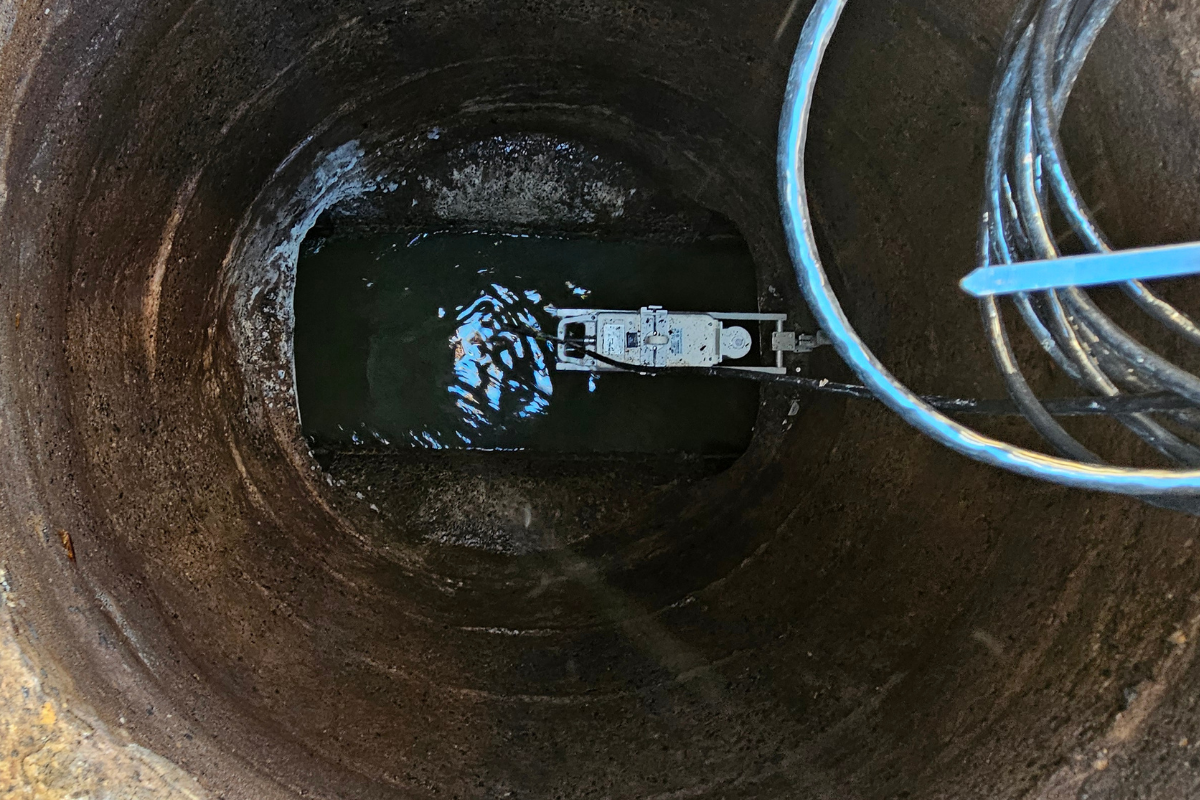
Open channel flow measurement combines a highly unpredictable environment and chaotic flow with imperfect measurement conditions and a heavy reliance on assumptions and models. Flow meters often require careful setup, frequent maintenance, and ongoing validation to maintain data integrity.
What Challenges Lead to Bad Open Channel Flow Data?
Open channel flow measurement combines a highly unpredictable environment and chaotic flow with imperfect measurement conditions and a heavy reliance on assumptions and models. Flow meters often require careful setup, frequent maintenance, and ongoing validation to maintain data integrity.
Dynamic Flow
Unlike closed pipes, open channels are directly impacted by rainfall and wet weather events, creating a turbulent flow with a depth and velocity that can change quickly and often. Utilities require flow instrumentation that can adapt to dynamic flow conditions that produce irregular flow, debris, and surface bubbles and foam.
Irregular Channel Geometry
Flow calculations rely heavily on cross-sectional measurements, but oftentimes the channel, canal, or open pipeline has irregular geometry. Sediment can build on the bottom, vegetation can grow and create blockages, and erosion or buildup from FROG (fat, roots, oil, grease) can occur. These factors can make flow instrument calibration difficult, and initial calibration inaccurate over time.
Non-Uniform Velocity Profiles
Velocity isn’t the same across the channel or pipe cross-section, which is true for both closed pipe applications as well as open channels. Velocity is faster in the center, slower near edges and the bottom, and debris and obstructions affect the overall flow. This can make it difficult for engineers to estimate averages from limited measurement points in order to provide numbers for measurement instrumentation calibration.
Sensor Placement Limitations
Accurate flow measurement relies on placement of sensors, especially fully submerged sensors. Placing instrumentation too shallow or too deep can affect readings or allow sediment to interfere. Oftentimes, ideal placement simply isn’t attainable, either due to flow conditions, access problems, or personnel safety.
High and Low Flow Extremes
Due to wet weather conditions and the dry season, it can be difficult for some flow instrumentation to manage low velocities and extremely fast velocities. This can lead to low flow cutoff, a problem for applications with dry seasons or significant seasonality.
Installation Constraints
Wastewater conveyance systems pose complications like manholes, culverts, and other confined spaces that can affect product installation and maintenance ability. Additionally, these hazardous locations can also be located remotely, limiting power and telemetry access and narrowing options for long term flow monitoring.
Data Quality
Even with good monitoring equipment, sensors can drift over time, calibration can be difficult in the field, and utilities may spend a lot of effort validating data before it can be usable and inform daily decision making.
This is challenging for utilities with budget constraints, as there is a huge risk in investing in flow monitoring equipment without a guarantee of accurate, reliable flow data.
Pressure depth sensors have come a long way over the years but it’s still a good idea to verify depth accuracy. Routine data quality checks through maintenance visits is costly.
Utilize the data by setting alarms or visual reviews of the data remotely to notice upward trends in pressure depth readings. If the depth data starts to drift, send a crew to verify the readings. Most likely, they will need to install and calibrate a new sensor.
Tackling these Challenges for Accurate, Reliable Data Acquisition
Most open channel flow project problems don’t result from one big failure, but rather from multiple compounding weaknesses in measurement, installation, and data handling. To ensure accurate, reliable flow data, utilities should focus on these three core actions:
1. Choose the Right Technology
Select the technology and product for the application and installation site, not based on a specification sheet. There’s no universal “best monitoring technology,” only the best sensor for the application and flow conditions.
Some popular open channel technologies include area-velocity sensors, non-contact radar, and ultrasonic. Many issues arise from monitoring devices not capable of meeting project needs. A good rule of thumb is to specify a measurement device for the worst flow conditions, not the best.
There are flow monitoring devices that combine various technologies in anticipation of open channel challenges. Area-velocity sensors may also have an ultrasonic component for level sensing, or a flow monitoring solution may include electromagnetic technology to accommodate surcharge conditions.
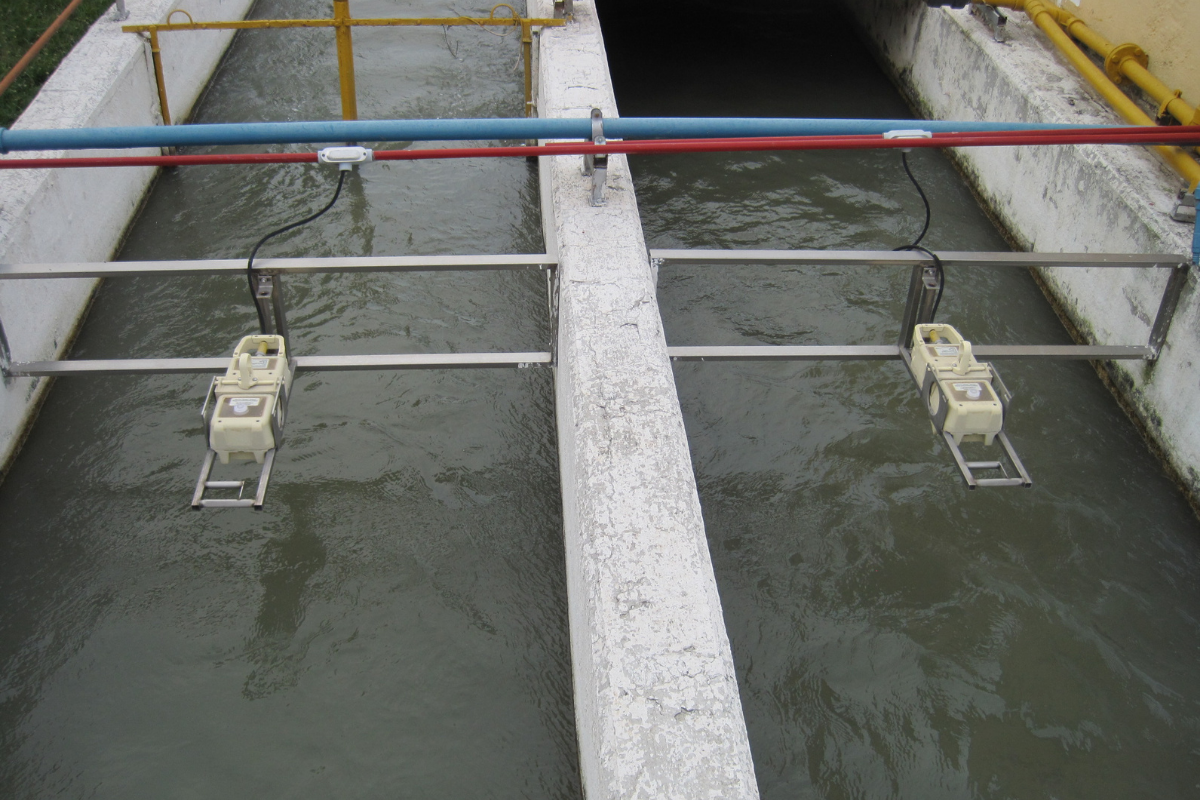
McCrometer’s FLO-DAR® Area Velocity sensor is a non-contact solution providing velocity and level sensing for harsh, volatile wastewater applications. Whether for large, man-made channels, manholes, culverts, or other open channel application, this technology offers accurate, reliable flow data for both short term and long-term projects. Combined with a flow logger like the FL900, the FLO-DAR performs the measurement while the FL900 records the data and transmits it wirelessly for remote access.
Selecting a product that is robust and sophisticated enough to tolerate and thrive in harsh wastewater conditions while also producing high-quality flow data is the first priority for any monitoring project.
2. Get the Installation and Setup Right
Even the best sensor or flow meter will fail when installed poorly. Ensure that each device is installed per the manufacturer’s directions and the installation site meets requirements such as straight pipeline, proper alignment, and stable mounting.
For utilities needing assistance with site selection, product installation or setup, and ongoing maintenance, consider engaging an authorized service provider with expertise in wastewater flow applications and monitoring projects.
3. Treat Data as an Asset
High-performing utilities don’t just collect data, they manage it (or contract someone who can help manage it!) Rather than simply logging data, train staff to monitor, question, and interpret data. Bad data that is ignored or unquestioned is more harmful than missing data. By implementing quality checks on data, utilities can understand what their baseline of flow is, develop early detection for sensor and pipeline performance problems, and understand wet weather trends for infrastructure improvements.

Want more content like this? Sign up for the McCrometer newsletter to get the latest articles, industry updates, product news, and helpful resources delivered directly to your inbox.
If you’re ready to move forward with your upcoming flow project, reach out to our team for a free quote.
 David Brown is the Business Development Manager for Hach’s Flow Solutions by McCrometer and has more than 20 years of experience in the municipal water industry. Considered an expert in flow monitoring technology, his subject matter expertise includes collection systems and flow monitoring studies. David has spoken at various industry trade shows including WEFTEC, Water Jam, Tri-State Seminar, the NC AWWA, and more.
Email: david.brown@mccrometer.com
LinkedIn: https://www.linkedin.com/in/jim-caruso-446a6071Dave Brown | LinkedIn