Industries Agriculture and Irrigation Series
Flow Meters for Agriculture and Irrigation Applications
McCrometer flow meters are a favorite in agriculture, especially for irrigation purposes.
For more than 70 years, farmers have relied on McCrometer meters to get the job done with unprecedented accuracy and exceptional durability.
Farmers and irrigators can rely on McCrometer flow meters, period.
Featured McCrometer Industrial Flow Meters
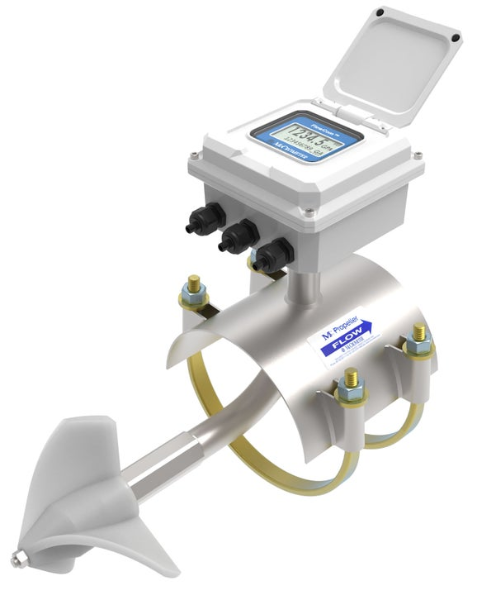
Propeller Meters
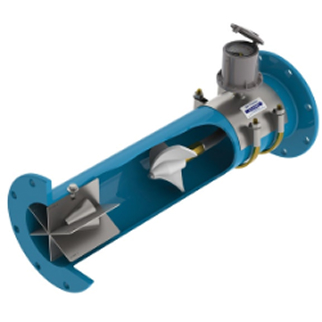
Propeller flow meters (also called turbine flow meters or impeller flow meters), measure the velocity inside a pipe and display its flow rate reading on a dial.
The agricultural industry has relied on mechanical flow meteres for over a cenutry, making them the most common type of water flow meter installed in the United States.
Video
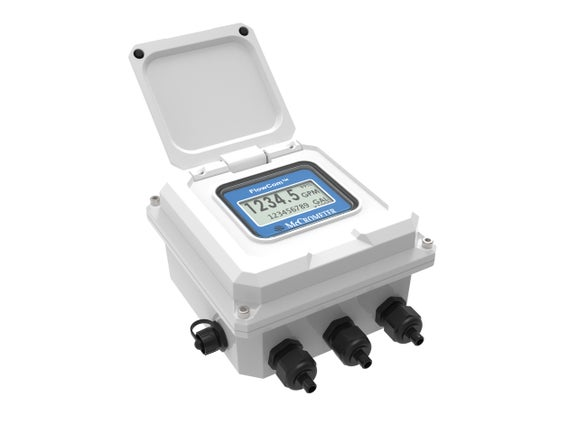
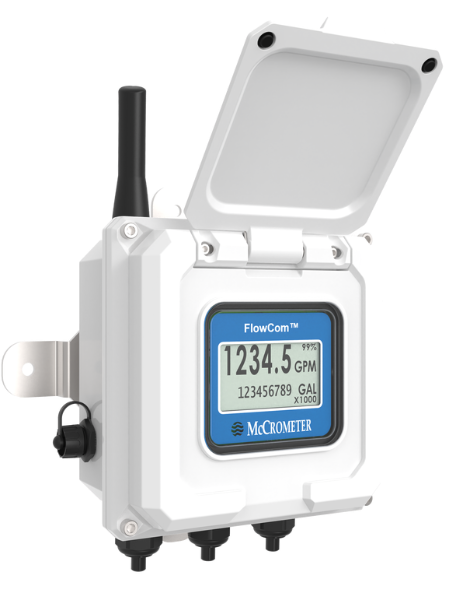
Meet the FlowConnect, McCrometer’s built-in telemetry unit compatible with McPropeller and Water Specialties propeller meters. FlowConnect is the telemetry unit providing accurate, automated data collection to help you make informed decisions about your day-to-day operations.
This telemetry unit is the ideal choice for irrigators and farmers with little or no time to manually collect the amount of flow data they need to manage irrigation. For irrigators and farmers with little or no time for manual data collection, this telemetry unit is the ideal choice (and can be quick shipped to you in a DIY kit!)
The FlowConnect is easy to install and setup, and is a favorite of many Natural Resource District (NRDs). Never question your data accuracy again!
How to Select the Right Agriculture Flow Meter
Irrigation water meters are critical tools for the agriculture industry. Whether you’re looking for greater accuracy, easy installation, control over your irrigation schedule, data transfer capabilities, or improved water quality, there are a number of solutions from which to choose.
The two most common types of agricultural irrigation flow meters are electromagnetic flow meters and propeller (mechanical) flow meters .
When choosing an irrigation meter, it’s important to keep the following in mind in order to save on energy costs, conserve water, and maximize crop yields:
The Application: Propeller meters work well for clean water applications, but they aren’t the best choice for dirty water applications where slurries, litter, and weeds can get caught in the moving parts. Electromagnetic (mag) meters have no moving parts and offer high accuracy for both clean and dirty water applications.
Minimum and Maximum Flow Ranges: When using a propeller flow meter, it is crucial to be aware of the minimum and maximum flow range in order to ensure an accurate reading. If the flow is too low, the bearing assembly won’t activate and turn the propeller quickly enough for an accurate reading. If the flow rate is too high, it could damage the bearing and require costly repairs. Electromagnetic flow meters may be more beneficial when flow ranges are uncertain, as they offer a broader flow range and have no moving parts to repair.
Whether a Signal Output is Needed: Some applications require a flow meter to issue a signal output to remote telemetry systems so irrigators can remotely collect flow meter data. While signal outputs can be added to propeller flow meters via a transmitter or digital register, they’re standard in telemetry-ready mag meter models.
The Amount of Space Available for Installation: Some propeller meters require more installation space since they have longer straight-run requirements than electromagnetic flow meters. However, McCrometer’s Mc®Propeller can be installed with straightening vanes and flow straighteners to reduce straight-run requirements.
It is also possible to retrofit an existing Mc®Propeller with the Mc®Mag2000 – the only mag meter on the market that can be used with flow straighteners. Accommodating an existing flow straightening component with the Mc®Mag2000 allows the meter to be applied to a wider range of applications – cutting the straight-run requirements in half.
Line Size: Both propeller and electromagnetic flow meters are available in full-bore and insertion-style models. For larger line sizes, an insertion-style flow meter is ideal for ease of use and to minimize cost.
Insertion meters are also easier to clean—there’s no need to remove a heavy piece of full-bore pipe to clean and maintain the meter. This is ideal for slurries and dairy-effluent flow applications.
Agriculture and Irrigation Flow Meter FAQs
Our specialists and customer service team members are happy to answer any questions you may have. In the meantime, here are a few we answer a lot.
How does debris affect flow meters?
Debris in flow is a concern for irrigators. Whether it affects your flow meter will depend on a wide variety of factors, including the type of debris and the type of flow meter. While many irrigators and farmers prefer mag meters for their lack of moving parts, the classic propeller flow meter is still a favored technology with a portion of the population.
Whether you prefer mag or propeller meters, McCrometer has debris solutions for both types of flow meters. Read further in our full blog post: “ Debris in Flow: Meter Recommendations for Agricultural Applications”.
What is the difference between straightening vanes and flow straighteners?
Straightening vanes and flow straighteners both reduce swirl and assist propeller meters with obtaining accurate flow readings. Despite the similarities and differences between straightening vanes and flow straighteners, you should consider the demands of your application and any straight-run requirements when choosing one or the other.
Knowledge Center
All Products for Agriculture and Irrigation Applications
Here you will find industry-leading flow meters and monitoring solutions for industrial applications.
Best Selling Propeller Meter in the U.S.
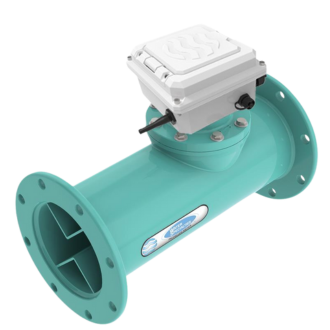
The Classic Meter for Clean Water Flows
The McMag 2000 retrofits using the Mc®Propeller saddle and offers Pulse output for system integration. Offering a 5-year full warranty, easy installation, and in-field maintenance, the McMag 2000 is the only mag meter on the market that maintains accuracy with flow straighteners!
Requiring only 2D upstream and 1D downstream straight-run, the Dura Mag offers a 5-year meter and battery warranty, and lifetime liner guarantee. Its fusion-bonded epoxy coating eliminates risk of liner separation and water intrusion.
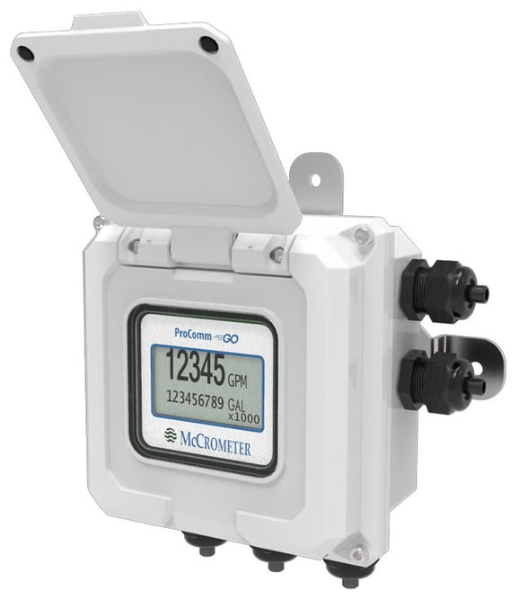
ProComm GO Signal Transmitter
Renowned Register Design for Propeller Meters in Various Applications!
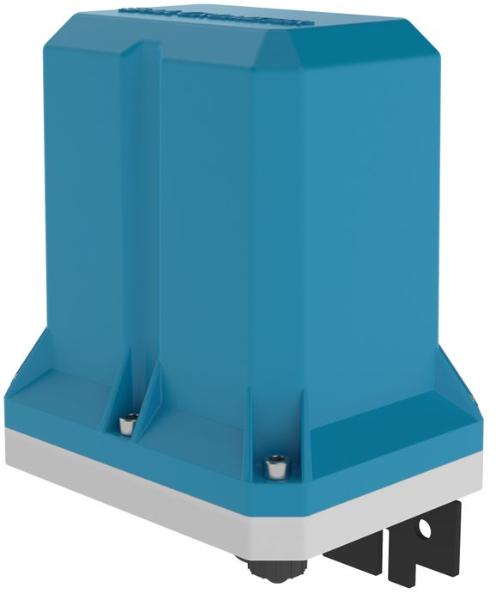
A flexible wireless remote telemetry unit
What Our Customers Are Saying